Every four years, the Winter Olympics showcase the most technically gifted athletes on the planet. These competitors have spent a lifetime refining their bodies, their skills, and their routines.
Yet what separates medalists from the rest of the field often has very little to do with talent.
It comes down to mental preparation.
When the margin between first and tenth is measured in hundredths of a second, the athlete who can manage pressure, stay composed, and perform on demand gains a decisive edge. Across winter sports, from alpine skiing and speed skating to figure skating and biathlon, elite performers anchor their mindset around three core psychological skills:
Presence. Perspective. Stability.
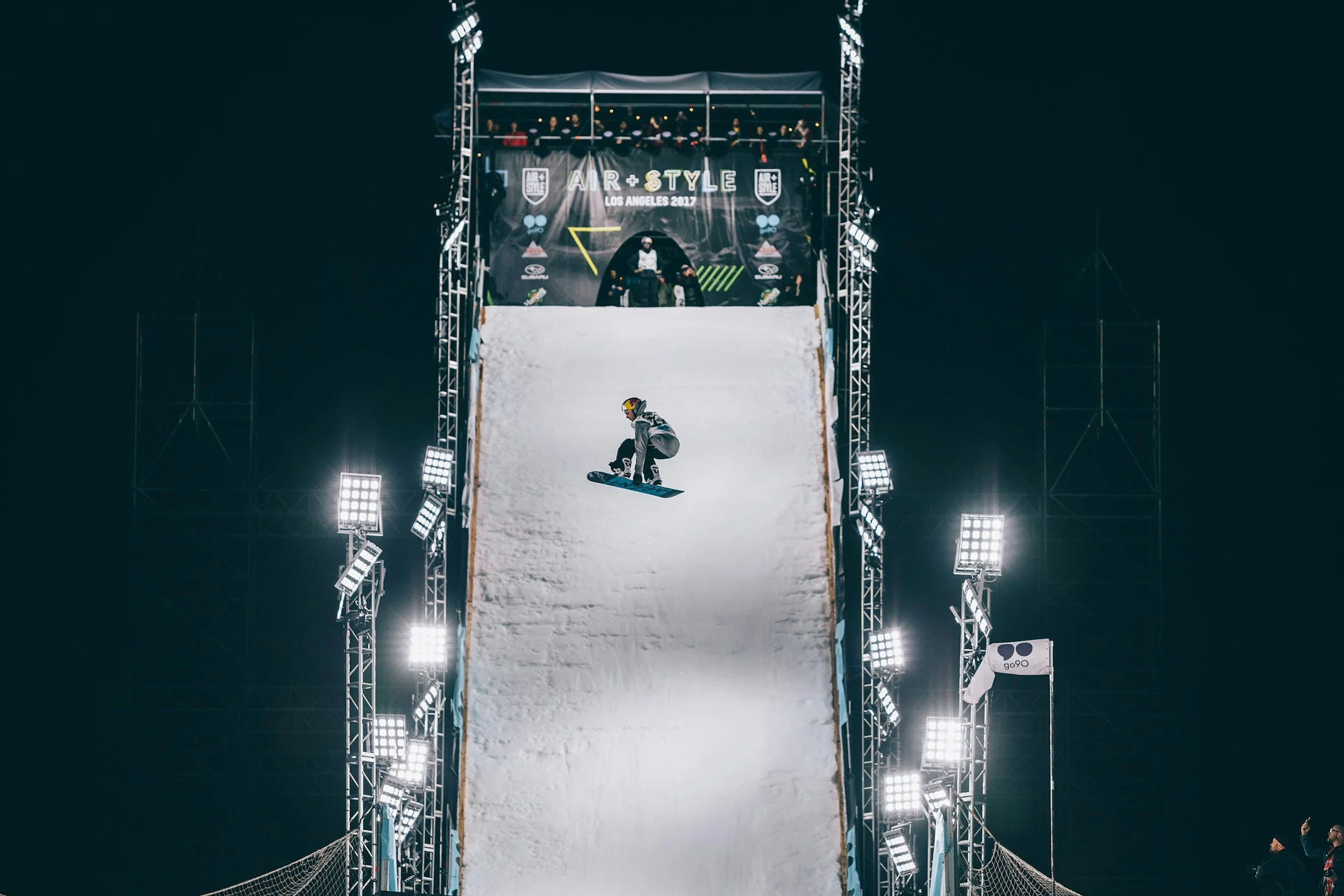
Olympic mental preparation
1. Presence: Winning the Moment You’re In
At the Olympic level, distraction is everywhere.
Crowds. Cameras. Expectations. Past mistakes. Future outcomes.
Presence is the athlete’s ability to stay fully engaged with what is happening right now, not what already happened or what might happen next.
From a performance psychology standpoint, presence allows the nervous system to stay regulated and responsive. When attention drifts into outcome thinking (“What if I mess this up?”), the brain shifts into a threat response. Muscle tension increases. Timing degrades. Decision-making slows.
But presence at the Olympics isn’t just about performance mechanics.
It’s also about allowing yourself to be there.
Many athletes miss the biggest stage of their life because they’re mentally fighting it, trying to escape the pressure, rush through the moment, or get it over with. True presence means letting the moment exist without resistance while staying anchored to your job.
Elite winter athletes train presence by:
Locking attention into simple sensory cues (breath, edge pressure, rhythm, contact)
Using brief pre-performance routines to signal “this is the moment”
Returning attention to the task, not the scoreboard
Acknowledging the magnitude of the stage without attaching identity to outcome
Presence doesn’t mean blocking out pressure.
It means coexisting with it while placing attention where performance lives.
You can’t control the magnitude of the moment, but you can control where your attention goes inside it.
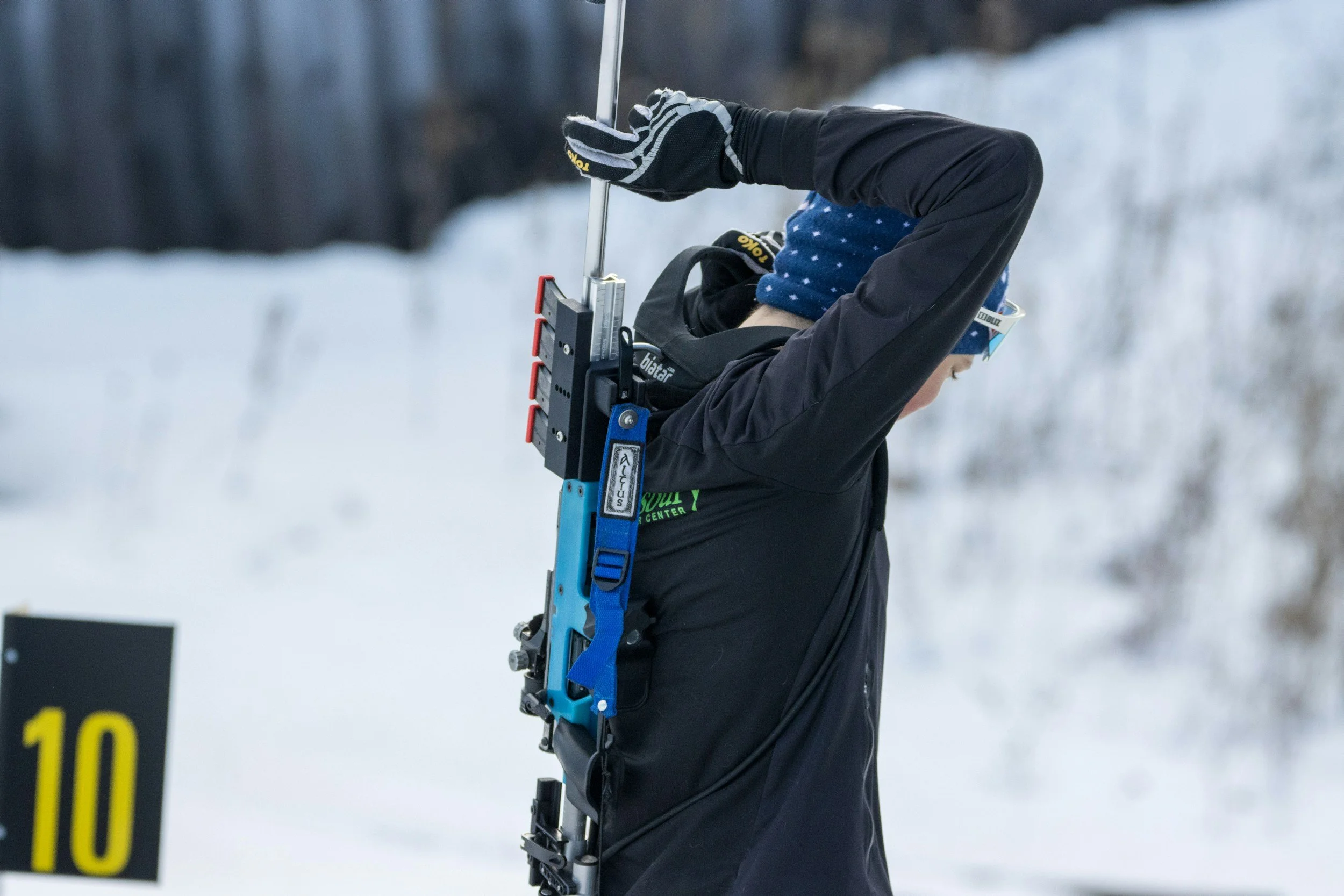
Winter Olympics
2. Perspective: Shrinking the Moment Without Diminishing the Goal
Olympic pressure isn’t created by the event itself, it’s created by what the event means to the athlete.
Perspective is the mental skill that keeps meaning from becoming overwhelming.
The most consistent Olympic performers hold two truths at the same time:
This moment matters
This moment is not my identity
At the Olympics, athletes aren’t just competing for themselves. They’re representing a country, a team, a lifetime of sacrifice. Millions are watching. Narratives are being written in real time.
Without perspective, that weight can quietly shift an athlete’s role from performer to symbol.
Healthy perspective prevents athletes from tying self-worth to outcome. When identity and outcome fuse together, mistakes feel catastrophic instead of informational, and recovery becomes nearly impossible.
Olympians protect perspective by:
Separating representation from responsibility
Remembering that visibility does not equal identity
Letting the moment be meaningful without letting it define who they are
Perspective keeps the moment big enough to care about, but small enough to handle.
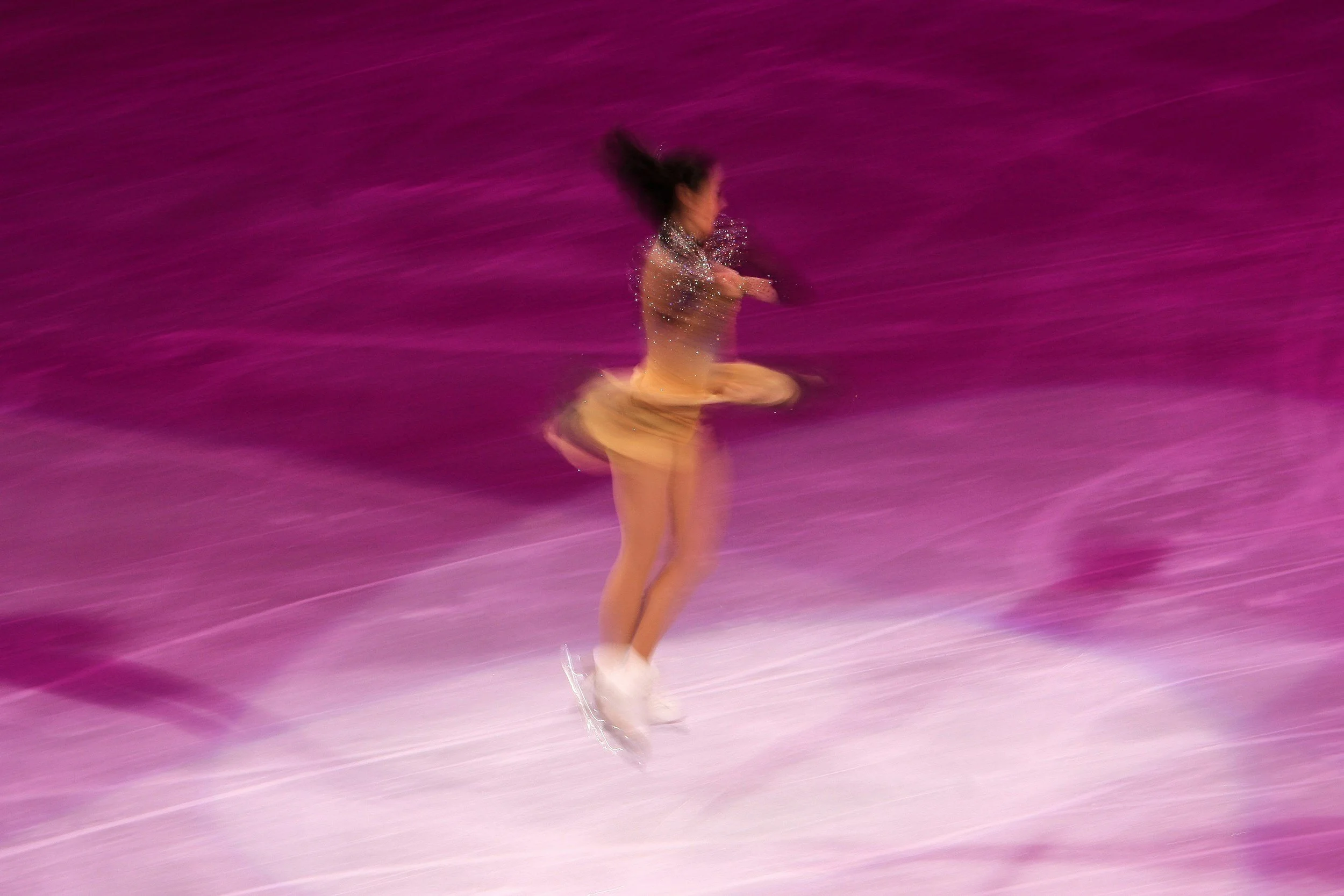
Olympic figure skating
3. Stability: Becoming Predictable Under Pressure
In high-stakes competition, emotions fluctuate. Confidence rises and falls. Conditions change.
What elite athletes train for is stability, the ability to remain functionally consistent regardless of internal or external noise.
And at the Olympic level, that noise is relentless.
Media schedules. Interviews. Social media reactions. Travel fatigue. Time zone shifts. Waiting periods. Delays. Expectations that follow athletes everywhere they go.
Mental stability does not mean feeling calm all the time. It means:
Emotional responses are short-lived
Attention returns quickly after disruption
Behavior stays aligned with standards, not circumstances
Stable athletes trust systems over feelings.
They rely on:
Pre-decided response plans (“If X happens, I do Y”)
Familiar routines that ground the nervous system in unfamiliar environments
Clear personal standards that don’t change with momentum, praise, criticism, or headlines
Intentional limits around what information they consume and when
Rather than reacting to every stimulus, stable athletes narrow their world. They control inputs, simplify decisions, and conserve mental energy for execution.
The goal isn’t emotional control. The goal is emotional recovery speed.

Olympic Hockey
Why These 3 Skills Matter Beyond the Olympics
While the Winter Olympics represent the peak of competitive pressure, the principles behind elite mental preparation aren’t exclusive to that stage. They apply anywhere performance matters, and especially in moments that feel big to the person inside them.
A youth athlete stepping into playoffs, a college athlete navigating championship season, or a professional facing a career-defining moment may not share the same spotlight, but they experience the same internal demands. The nerves. The expectations. The fear of getting it wrong when it counts.
And the mental formula remains unchanged.
Presence is what keeps an athlete executing the task in front of them instead of getting pulled into outcomes. Perspective is what keeps the moment meaningful without letting it become overwhelming. Stability is what allows an athlete to respond consistently, even when emotions, conditions, or circumstances shift.
Mental performance isn’t about eliminating pressure or pretending it isn’t there. Pressure is a natural byproduct of caring deeply about something that matters.
The work is about building the internal structure to perform with pressure, not in spite of it.
Follow me on Instagram!