MY APPROACH
The FLOHERE Model
Philosophy
Over the years, I noticed that most performance struggles weren't caused by a lack of effort, belief, or confidence. They happened when different parts of an athlete's system pulled in different directions.
That observation led me to develop the Flohere Model, a performance framework built on the relationship between flow and coherence.
The model recognizes that performance is influenced by:
how an athlete interprets the moment
how their nervous system responds
where their attention goes
the language they use
and the actions they take under pressure
Rather than treating mindset, emotional regulation, and behavior as separate skills, Flohere views performance as one integrated system. Under pressure, the brain doesn't carefully think its way through the moment. It relies on learned patterns of thinking, feeling, and acting.
When those patterns pull in different directions, performance suffers.
When they become aligned around a clear purpose, the system becomes more coherent. Performance becomes more consistent, adaptable, and flow becomes more available. By repeatedly learning to organize your mind, body, and behavior under pressure, you don't just improve performance, you build a new way of responding when it matters most.
Flohere is built on one central idea:
Flow isn't random. It emerges when your system becomes coherent under pressure.
Repeated coherent experiences don't just improve performance; they reshape the performer.

Approach 1: Pattern Awareness
The first step is understanding what repeatedly happens under pressure.
Together, we'll identify the patterns that show up when the stakes feel high, including overthinking, perfectionism, fear of mistakes, emotional spirals, avoidance, and protective behaviors.
Awareness is essential, but it's only the beginning. You can't change a pattern you don't recognize.
Approach 2. Organize the System
Performance isn't just mental, it's physiological.
When pressure increases, your nervous system influences your breathing, muscle tension, attention, decision-making, and behavior. If different parts of your system are pulling in different directions, performance becomes inconsistent.
Together, we'll build practical strategies that help your mind, body, and behavior work together under pressure. The goal isn't to eliminate stress or anxiety. It's to remain organized, adaptable, and able to execute when they show up.
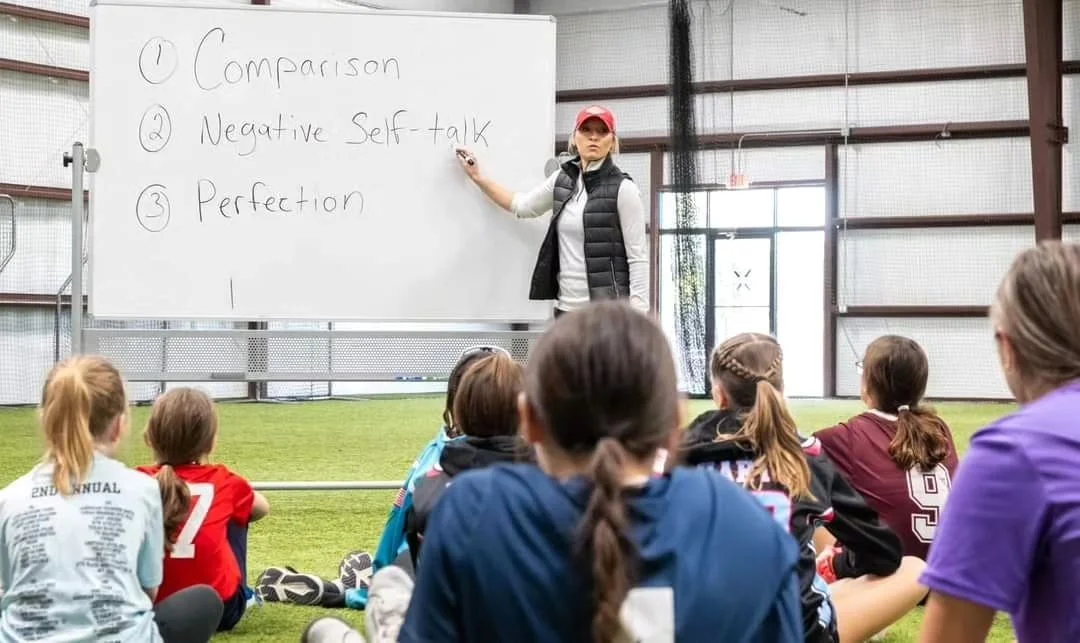
It is not about eliminating pressure, emotions, or challenge but building the ability to embrace it.
Approach 3: Build New Learning
Insight and regulation only matter if they change how you perform. This is where lasting change happens.
Instead of waiting to feel confident or calm, you'll learn how to respond differently inside the very moments that used to pull you off course.
Each time you think differently, regulate differently, and act differently under pressure, you create new experiences. Over time, those experiences become evidence that helps reshape old patterns and build more consistent performance.
The goal isn't simply to perform better today. It's to become someone who responds differently when pressure returns.
*My work integrates principles from sport psychology, cognitive behavioral therapy (CBT), acceptance and commitment therapy (ACT), nervous system regulation, and evidence-based performance science. Rather than treating these as separate techniques, I use them together to help athletes build a more coherent system, one that can perform, adapt, and continue learning under pressure
@TheAthlete_Mind.